Before seeking peace in your life, seek clarity.
notes
Seek clarity
notes
Everything is already there, you are not realized it yet!
notes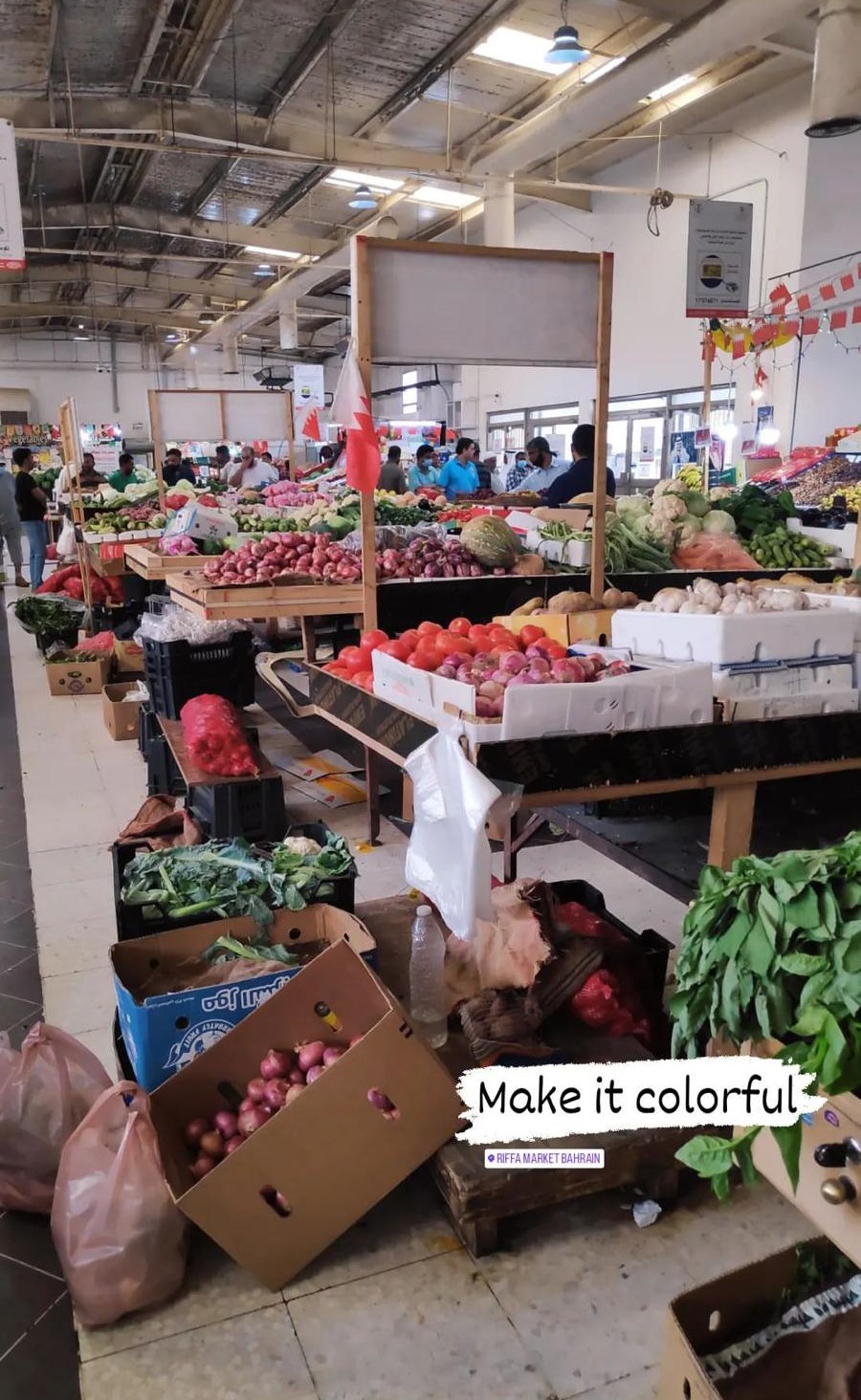
Colurful scenes from Riffa central market.
essay
സ്വപ്നതുല്യമായ സത്യം
പച്ചച്ചെടികൾ നിറഞ്ഞയെന്റെ മുറിയുടെ മഞ്ഞവിരിപ്പിൽ കിടക്കുമ്പോൾ ഞാനിടക്ക് ഓർക്കും....
notes
Repotting
I’m repotting and watering my plants today—and added a few new ones to my collection. The more green, the merrier.
essay
ഒരുതരി വെളിച്ചം
ഇപ്പോളൊന്നും എഴുതാറില്ലേന്ന് അവളിടക്കിടെ വന്ന് ചോദിക്കും. എഴുതാനാരോ ഉള്ളിൽക്കിടന്ന്...
essay
തേടൽ
എന്നിൽ നിന്ന് എന്നിലേക്കുള്ള ദേശാടനത്തിൽ ലിപികളറിയാത്ത ഭാഷകളിലെ സംഗീതസ്വരങ്ങൾ...
notes
Motivation for fragments
A common pattern is for a component to return a list of children. In the below example when Column component is rendering the HTML will be invalid as a div is coming in the middle of the table. Whenever we are using Fragments, we can avoid that.
Take this example React snippet:
class Table extends React.Component {
  render() {
    return (
      <table>
        <tr>
          <Columns />
        </tr>
      </table>
    );
  }
}
would need to return multiple elements in order for the rendered HTML to be valid. If a parent div was used inside the render() of , then the resulting HTML will be invalid.
class Columns extends React.Component {
  render() {
    return (
      <div>
        <td>Hello</td>
        <td>World</td>
      </div>
    );
  }
}
results in a output of:
<table>
  <tr>
    <div>
      <td>Hello</td>
      <td>World</td>
    </div>
  </tr>
</table>
notes
Keyed Fragments
Fragments declared with the explicit <React.Fragment> syntax may have keys. A use case for this is mapping a collection to an array of fragments — for example, to create a description list:
function Glossary(props) {
  return (
    <dl>
      {props.items.map(item => (
        // Without the `key`, React will fire a key warning
        <React.Fragment key={item.id}>
          <dt>{item.term}</dt>
          <dd>{item.description}</dd>
        </React.Fragment>
      ))}
    </dl>
  );
}