I deeply admire the beauty of nature, and there’s such joy in capturing it through photos.
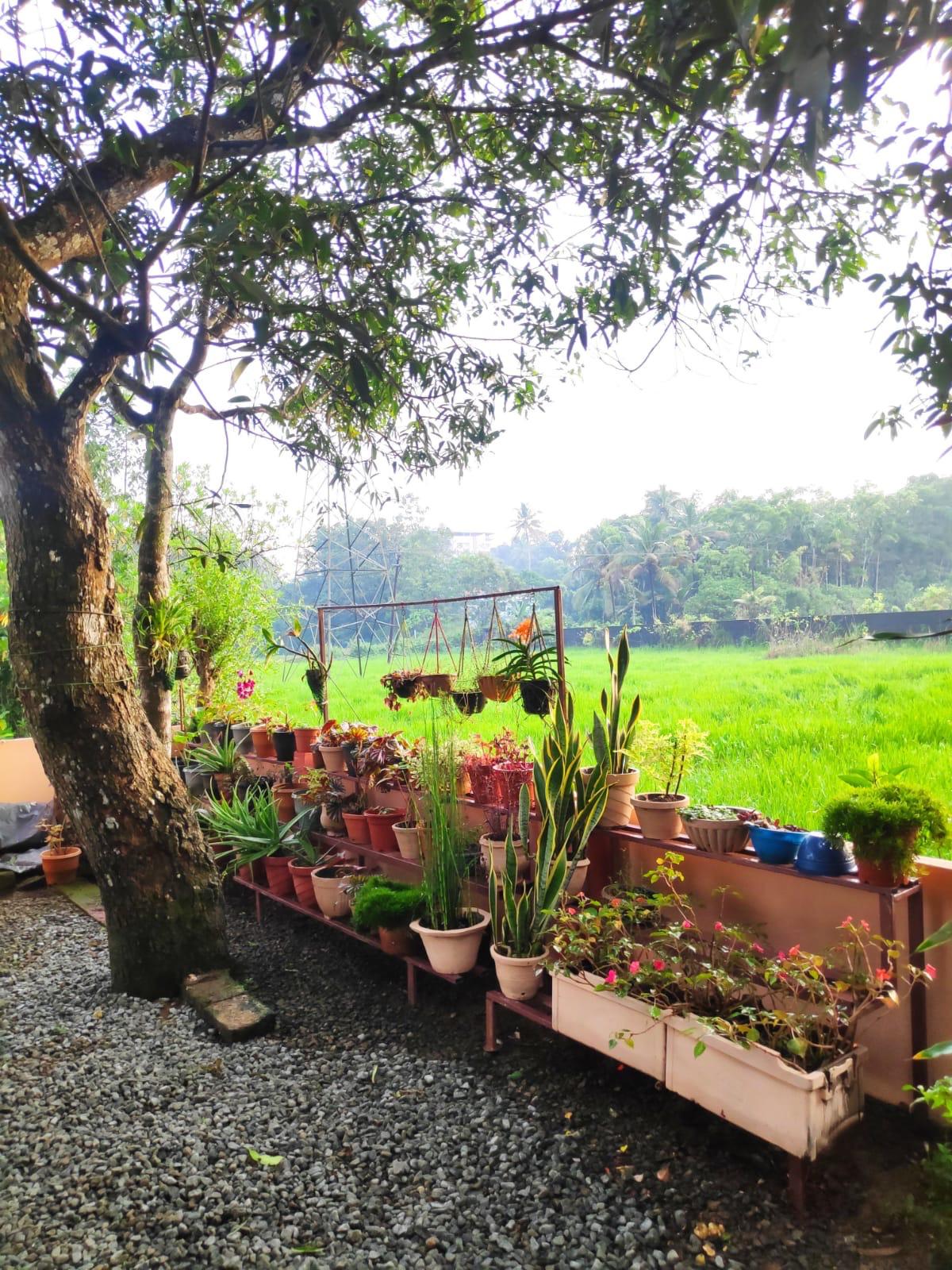
I deeply admire the beauty of nature, and there’s such joy in capturing it through photos.
Peace - that was the other name for home.
— Kathleen Norris

To move a table to the recycle bin or remove it entirely from the database, you use the DROP TABLE statement:
DROP TABLE schema_name.table_name
[CASCADE CONSTRAINTS | PURGE];
First, indicate the table and its schema that you want to drop after the DROP TABLE clause. If you don’t specify the schema name explicitly, the statement assumes that you are removing the table from your own schema.
Second, specify CASCADE CONSTRAINTS clause to remove all referential integrity constraints which refer to primary and unique keys in the table. In case such referential integrity constraints exist and you don’t use this clause, Oracle returns an error and stops removing the table.
Third, specify PURGE clause if you want to drop the table and release the space associated with it at once. By using the PURGE clause, Oracle will not place the table and its dependent objects into the recycle bin.
Collation determines how strings are compared, which has a direct impact on ordering (sorting) and equality tests between strings.
There are two basic types of collation.
When using binary collations there are three suffixes that alter the behavior of sorts and comparisons.
If no collation is specified, directly or via a default setting, the default USING_NLS_COMP pseudo-collation is used, which means the NLS_SORT and NLS_COMP parameters are used to determine the actual collation used.
// Syntax
COLLATE BINARY_CS / BINARY_CI / BINARY_AI

column_name  VARCHAR2(15 CHAR) COLLATE BINARY_CI
create table (...) DEFAULT COLLATION BINARY_CI;
ALTER TABLE t1 DEFAULT COLLATION BINARY_AI;
The NLS_DATABASE_PARAMETERS shows the values of the NLS parameters for the database. Oracle notes these differences between the parameters.
NLS_SESSION_PARAMETERS shows the NLS parameters and their values for the session that is querying the view. It does not show information about the character set.NLS_INSTANCE_PARAMETERS shows the current NLS instance parameters that have been explicitly set and the values of the NLS instance parameters.NLS_DATABASE_PARAMETERS shows the values of the NLS parameters for the database. The values are stored in the database.SELECT * FROM NLS_SESSION_PARAMETERS ORDER BY 1;
SELECT * FROM NLS_INSTANCE_PARAMETERS ORDER BY 1;
SELECT * FROM NLS_DATABASE_PARAMETERS ORDER BY 1;
The NLS_LANGUAGE and NLS_TERRITORY values in NLS_DATABASE_PARAMETERS cannot be changed once the database has been created
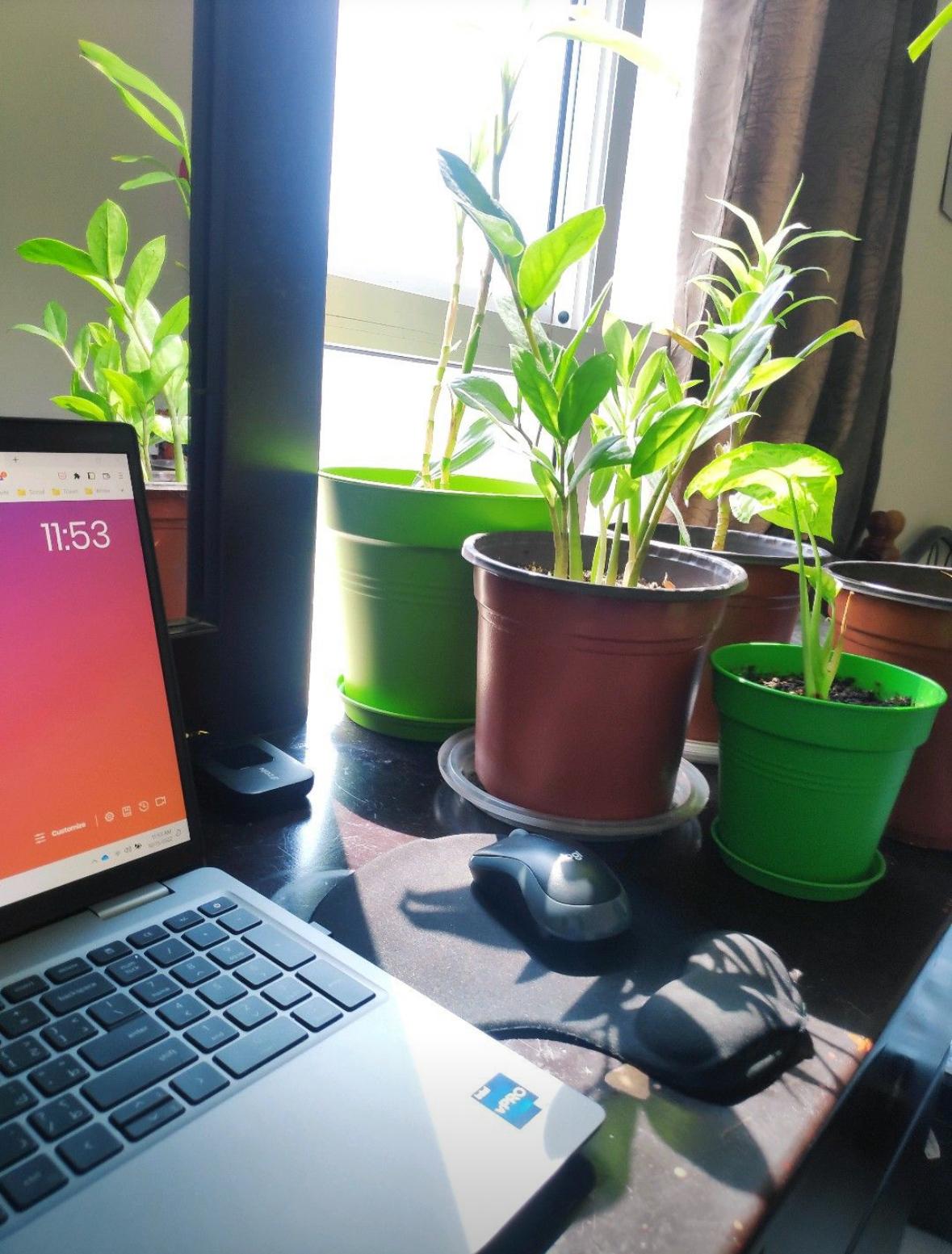
Working with my plants.
PL SQL Query to list the months between two dates
SELECT TO_CHAR(ADD_MONTHS(TRUNC(TO_DATE('01-JAN-22','DD-MON-YY'), 'MM'), LEVEL -1),'MON-YY')
MONTH_YEAR
FROM DUAL
CONNECT BY LEVEL <= MONTHS_BETWEEN(TO_DATE('01-DEC-22','DD-MON-YY'),
    TO_DATE('01-JAN -22','DD-MON-YY')) + 1
ORDER BY LEVEL;
Result set
MONTH_YEAR
JAN-22
FEB-22
MAR-22
APR-22
MAY-22
JUN-22
JUL-22
AUG-22
SEP-22
OCT-22
NOV-22
DEC-22
Come, Let’s head to the nights where every fairy tales are true 🦄🦋